
King and Queen County Property Tax Records
Property tax records in King and Queen County are maintained by the Commissioner of the Revenue and the Treasurer, both located at the county seat in King and Queen Court House. These records cover all taxable real property and personal property in the county, and they are open to the public. You can access them at the county offices or through resources available at kingandqueencounty.gov. Each parcel record contains the owner name, parcel identification number, assessed land and improvement values, and a history of tax payments. Assessment data is open for public inspection under Virginia law, so anyone can look up King and Queen County property tax records without a stated reason or legal connection to the parcel.
King and Queen County Overview
Commissioner of the Revenue
The King and Queen County Commissioner of the Revenue is responsible for assessing all real property and personal property in the county. Under Virginia Code § 58.1-3200, all real estate must be assessed at 100% of fair market value. The Commissioner maintains the assessment roll for every parcel in King and Queen County, including ownership data, legal descriptions, and both land and improvement values.
King and Queen County is a smaller, rural county on Virginia's Middle Peninsula. The real estate market here is less active than in urban areas, but the Commissioner's office still processes ownership transfers, new construction, and subdivision changes on an ongoing basis. When a deed is filed with the Circuit Court clerk, the Commissioner's staff updates the parcel record to reflect the new owner and reviews the assessed value in light of the sale.
The Commissioner also assesses personal property. Residents and businesses in King and Queen County pay personal property taxes on vehicles, trailers, boats, and business equipment. These assessments are based on state-provided valuation guides for most items, but the Commissioner's office handles the application of those guides locally and can address questions about specific items.
Under Virginia Code § 58.1-3330, property owners must receive notice when their assessments change significantly. If you get such a notice and have questions, the Commissioner's office is your first point of contact. They can explain how the new value was determined and what steps you can take if you think the assessment is too high.
The Virginia Department of Taxation provides statewide guidance on local assessment practices at tax.virginia.gov. This resource helps you understand the rules that govern how the Commissioner operates before you reach out to the local office.
King and Queen County Treasurer
The King and Queen County Treasurer collects real estate and personal property taxes based on assessments certified by the Commissioner of the Revenue. The Treasurer manages tax billing, payment processing, and delinquent tax collections for the county. Payment options may include in-person payments at the Treasurer's office and payment by mail. Check the county website for current due dates and any available online payment options.
The Treasurer's records show the current tax status of each parcel in the county. You can confirm whether taxes on a given property are paid up or have outstanding balances. This matters especially if you are buying property in King and Queen County. A title search will include a check with the Treasurer to ensure no delinquent taxes are owed. Delinquent taxes are a lien on the property and must be paid before the title can transfer cleanly.
If you have a question about your tax bill amount, start with the Commissioner's office, not the Treasurer. The Treasurer issues bills based on assessed values provided by the Commissioner. Any correction to a bill must come from the Commissioner's side first. Once a correction is authorized, the Treasurer will issue an updated bill or process a refund if you have overpaid.
Unpaid taxes that remain unresolved may be subject to collection action. Virginia gives localities strong legal tools to collect back taxes. If you owe delinquent real estate taxes in King and Queen County, contact the Treasurer's office as early as possible. Early contact gives you more options for working out a payment plan before enforcement steps are taken.
How to Search King and Queen County Property Tax Records
Begin your search at the official King and Queen County website, kingandqueencounty.gov. The county may have links to an online property search portal through its assessment software. If an online tool is available, you can typically search by owner name, parcel ID number, or street address and view current assessment data, property characteristics, and ownership information.
Under Virginia Code § 58.1-3331, the Commissioner's assessment records are open to the public. No legal interest in the property is required. Anyone can visit the Commissioner's office during business hours and ask to see records for any parcel in the county. Staff will locate the record and can provide copies for a standard per-page fee. This is often the most reliable way to get detailed assessment data in a smaller county where online tools may be limited.
Virginia's Freedom of Information Act gives you the right to request records in bulk or in specific formats. If you need data on multiple parcels, a written FOIA request to the county administrator's office is the most efficient approach. The county generally has five business days to respond, and extensions are allowed for large or complex requests. FOIA works well for researchers, title companies, or others who need records on more than a handful of parcels.
Deed records and other land instruments for King and Queen County are maintained at the Circuit Court clerk's office. Combining deed records with assessment data from the Commissioner's office gives you a complete picture of ownership history, legal descriptions, and value changes for any parcel in the county.
Assessment Process
All real property in King and Queen County must be assessed at 100% of fair market value under Virginia Code § 58.1-3200. The Commissioner uses mass appraisal methods to value all parcels in the county at the same time. Mass appraisal relies on sales data and property characteristics to group similar properties and assign values based on what the market shows buyers are paying for comparable parcels.
King and Queen County is largely rural, with a mix of forestland, agricultural tracts, waterfront properties along the Mattaponi and Rappahannock rivers, and scattered residential homes. Each of these property types requires a different valuation approach. Waterfront properties along major rivers can carry significant premiums over comparable inland parcels, and the Commissioner's appraisers must account for those differences when setting values across the county.
You have the right to inspect your appraisal card under § 58.1-3332. This card shows the specific data the Commissioner used to calculate your property's assessed value, including lot size, building square footage, year built, construction type, and improvements on record. If the card contains errors, getting them fixed is often the most direct path to a corrected assessment. You don't need an attorney for this step. Just contact the Commissioner's office, point out the error, and provide any documentation that supports the correction.
When you can't resolve a disagreement with the Commissioner's office directly, the next step is the Board of Equalization. Under § 58.1-3378, each county must have a Board of Equalization to hear assessment appeals. Hearing procedures are set out in § 58.1-3379. The board is independent from the Commissioner and can order an assessment reduced, increased, or left unchanged based on the evidence you present.
The Virginia Department of Taxation publishes statewide assessment guidance and oversight resources at their website below.
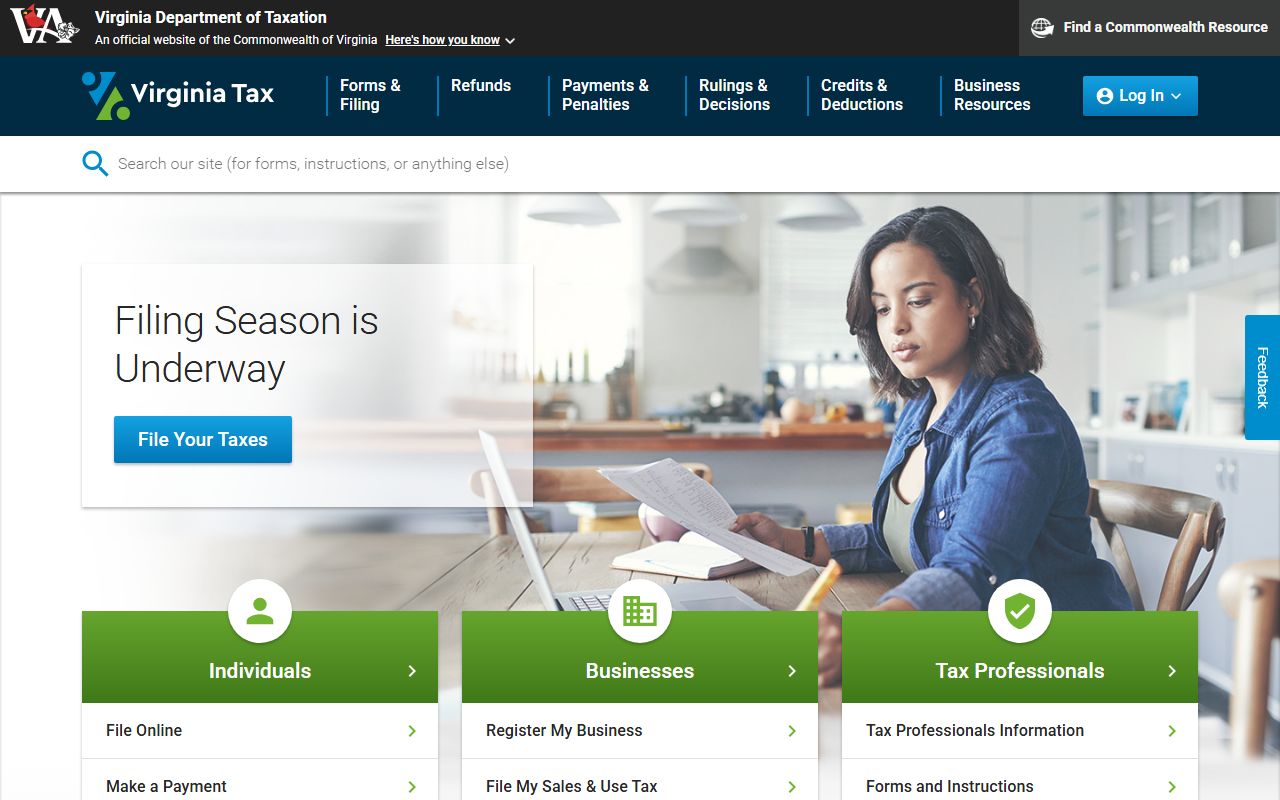
The Virginia Department of Taxation sets the uniform standards that King and Queen County must follow when assessing real property.
Tax Relief Programs
King and Queen County offers real estate tax relief for qualifying elderly and disabled property owners under Virginia Code § 58.1-3210. To qualify, applicants must meet age or disability requirements, own and live in the property as their primary residence, and fall within income and net worth limits set by the county. These limits can change from year to year. Contact the Commissioner of the Revenue's office for the current year's thresholds and the application process.
Totally and permanently disabled veterans may qualify for a full real estate tax exemption on their primary residence under § 58.1-3219.5. Surviving spouses of service members killed in action may also be eligible. The exemption requires certification from the U.S. Department of Veterans Affairs confirming the disability status. The Commissioner's office processes these applications and can explain what you need to apply.
The Virginia Department of Housing and Community Development at dhcd.virginia.gov administers statewide programs that can supplement local tax relief in King and Queen County. If you're having trouble covering property taxes, check both the county's programs and any available state-level resources through DHCD.
The image below shows the Virginia Department of Housing and Community Development website, which offers housing assistance and tax-related resources for Virginia residents.

DHCD programs can work alongside King and Queen County's local relief options for eligible property owners.
Land Books and Records Access
Under Virginia Code § 58.1-3301, the Commissioner of the Revenue must maintain a land book listing every taxable parcel in the county, along with the owner's name, assessed value, and the taxes owed. Land books for King and Queen County are public records, available for inspection at the Commissioner's office during regular business hours. These books are a core part of Virginia's property tax system and have been maintained in each county for well over a century.
For researchers and title examiners, land books are a useful way to trace ownership history and review assessed values at a specific point in time. Each land book covers a single tax year. Older land books for King and Queen County may be held at the county courthouse or archived at the Library of Virginia in Richmond, which stores historical records for all Virginia localities.
Assessment records are public under § 58.1-3331. You don't need to state a reason or have any connection to a property to review its assessment record at the Commissioner's office. Anyone can walk in and ask. Copies are available for a standard per-page fee, and staff can help you locate specific records by parcel number, owner name, or address.
The King and Queen County Circuit Court clerk's office holds deed records, plats, and other land instruments. Combining deed records with assessment data from the Commissioner gives you a full view of any property's ownership and value history. The Circuit Court clerk can be reached through the county's main website at kingandqueencounty.gov.
Cities in King and Queen County
King and Queen County does not contain any independent cities. The county has no incorporated cities under Virginia law.
Nearby Counties
King and Queen County is located on Virginia's Middle Peninsula, bordered by several counties in the Tidewater and Northern Neck regions.