
Lynchburg Property Tax Records
Property tax records for the City of Lynchburg are maintained by the Commissioner of the Revenue and the Treasurer's Office, both of which are accessible online and in person. Residents, real estate professionals, and researchers can search assessment data, tax bills, and ownership history through the city's official tools. These records include owner names, parcel numbers, assessed values, and tax payment history for all real property within city limits. As an independent city, Lynchburg handles all property assessment and tax collection through its own elected offices, separate from surrounding county governments. Assessment data shows land and improvement values for each parcel, and all records are open to the public under Virginia law.
Lynchburg Overview
Commissioner of the Revenue
Lynchburg's Commissioner of the Revenue is an elected official who assesses all real estate and personal property in the city each year. The Commissioner's office maintains the official property rolls and provides assessment data that the Treasurer uses to prepare tax bills. Contact the office through the city's website at lynchburgva.gov.
Under Virginia Code § 58.1-3301, the Commissioner is required to assess all property subject to local taxation. This includes land, buildings, and any other improvements. Lynchburg has a sizable and varied property base, ranging from residential neighborhoods to commercial corridors, and the Commissioner's office handles all of these assessments.
Property owners who want to understand their assessment can call or visit the Commissioner's office. Staff can explain how comparable sales were used to set a value and review any information on file for the property. If you think something is wrong with the data, the office can update records such as square footage or property characteristics before a formal appeal is needed.
The Commissioner also processes applications for exemptions and tax relief programs. If you are an older homeowner, have a disability, or are a qualifying veteran, the office is the right place to ask about what programs may reduce your tax burden. They can tell you the current income limits and what documents you need to apply.
Lynchburg Treasurer
The Lynchburg Treasurer collects real estate taxes and other city revenues. The Treasurer's office sends out bills and handles payments online, by mail, and in person. Visit lynchburgva.gov/departments/treasurer for payment options and due dates.
Real estate taxes in Lynchburg are billed in installments. The Treasurer's office keeps records of all payments, current balances, and any delinquent accounts. If you are buying or selling property, a tax status report from the Treasurer will show whether all taxes are current. This is a routine part of most real estate closings in Virginia.
Owners behind on taxes should call the Treasurer's office as soon as possible. Payment plans may be available. Prolonged delinquency can lead to liens and eventually a tax sale of the property under Virginia law. Early contact with the Treasurer gives owners more options to resolve the situation.
How to Search Lynchburg Property Tax Records
Lynchburg provides online access to property tax records through its city website. Go to lynchburgva.gov and navigate to the property search tool. You can search by address, owner name, or parcel number to get current assessment data, ownership information, and tax status. The city also offers online payment options for convenience.
In person, you can visit the Commissioner of the Revenue and Treasurer's offices at city hall. Bring the property address or parcel ID. Staff can look up records and print information for you. For title searches or deed history going back many years, the Circuit Court Clerk's office holds land records for the city.
Third-party property data websites index Virginia records but may not be current. Always check the city's official portal for the most accurate and up-to-date assessment values. If you need certified records for a legal matter or loan, the city offices can provide those directly.
Assessment Process
Lynchburg assessments are governed by Virginia law, which requires all real property to be assessed at 100% of fair market value under § 58.1-3330. The city conducts regular reassessments to keep values aligned with market conditions. Between reassessments, values can also change if a property is sold, improved, or if an appeal results in a change.
The reassessment process involves reviewing recent comparable sales in each area of the city, updating property records to reflect any changes, and applying standard valuation methods. Commercial and residential properties are assessed using different approaches based on the type of property and available market data. The process follows the rules set out in Chapter 32 of Title 58.1.
When a new assessment is issued, property owners receive a notice. Under § 58.1-3332, owners have the right to challenge their assessed value. The first step is usually an informal review with the Commissioner's office. If the issue is not resolved there, you can file a formal appeal with the Board of Equalization under § 58.1-3379.
The Board of Equalization is an independent body appointed to hear assessment appeals. It can lower, raise, or confirm a value. If the board's decision is still not satisfactory, the property owner can appeal to circuit court. Most appeals are settled before reaching that step.
The Virginia Department of Taxation oversees local assessment programs and provides guidance on standards and procedures.
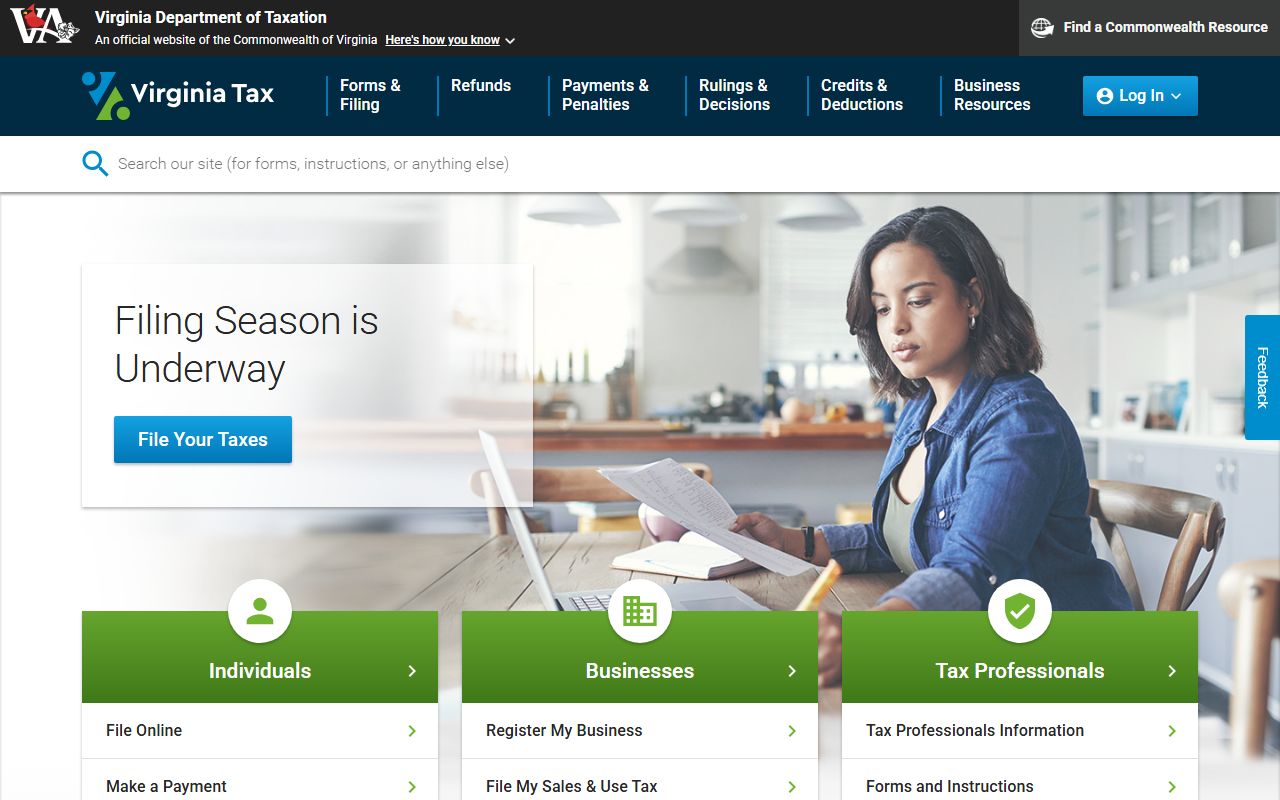
The Department of Taxation website includes resources for property owners and information on how localities must conduct assessments.
Tax Relief Programs
Lynchburg offers property tax relief for qualifying elderly and disabled homeowners. The program allows the city to reduce or defer real estate taxes for residents who meet income and net worth requirements. The Commissioner of the Revenue handles these applications and sets the local limits each year in line with state law.
To apply, visit or call the Commissioner's office. You will need income documents for all people living in the home, proof of age or disability, and confirmation that the property is your primary residence. Deadlines are usually in the spring, so apply early to avoid missing the window for the current tax year.
Qualifying veterans with a 100% permanent and total disability rating from the VA are fully exempt from real estate taxes on their primary home. This exemption is available under state law and requires documentation from the Department of Veterans Affairs. The Commissioner's office can walk you through the steps.
Virginia DHCD offers housing and assistance programs that complement local tax relief efforts.

Visit the DHCD website for details on state housing programs that may provide additional relief to eligible homeowners.
Land Books and Records Access
Virginia requires localities to maintain annual land books that list all taxable real property. Lynchburg's land books include each parcel, the owner of record, the assessed value, and the tax levied. Under § 58.1-3331, these records are public and must be available for inspection.
Current land book data is accessible through Lynchburg's online property search portal. You can look up any parcel in the city and see current assessment information, ownership, and tax history. The system is updated each year after the assessment cycle is complete. No fee is required for online access.
Historical land books for Lynchburg are held at the Library of Virginia in Richmond. These older records trace property ownership and tax history back through the 19th century and earlier. Researchers tracing a chain of title or doing genealogical work can find these collections valuable.
For certified copies or official statements of tax status, contact the Commissioner's or Treasurer's office. Fees for printed records may apply. The offices can tell you current costs and typical turnaround times for document requests.
Surrounding Counties
Lynchburg is an independent city in Central Virginia, bordered by Campbell County, Bedford County, and Amherst County, each with its own property records offices.
Nearby Cities
Nearby independent cities also maintain separate property tax records and offices.