
City of Fairfax Property Tax Records
The City of Fairfax is an independent city in Northern Virginia, completely separate from Fairfax County despite sharing a similar name. Property tax records for properties within the city limits are handled by the city's own Commissioner of the Revenue and Treasurer, not by county offices. This guide explains how to search City of Fairfax property tax records, how assessments work, what relief programs exist, and where to go with questions about a specific parcel or tax bill.
Fairfax Overview
Commissioner of the Revenue
The City of Fairfax Commissioner of the Revenue is an elected official who assesses all real estate and personal property within city limits. This is the core office for property tax records. The commissioner maintains ownership data, assessed values, and property classifications for every parcel in the city. When property changes hands, the commissioner updates ownership records. When new construction is completed, the commissioner adds it to the assessment rolls.
Real estate in the City of Fairfax is assessed at 100% of fair market value. The city conducts reassessments to keep values current with the Northern Virginia real estate market, which can move quickly. Property owners receive assessment notices when values change. The notice will show the prior value, the new value, and information about how to appeal if you disagree.
One thing to be clear about: the City of Fairfax and Fairfax County are two different jurisdictions. If your property address includes "Fairfax" but is in the county and not the city, you need to contact Fairfax County's assessment office instead. The city limits are clearly defined and relatively small. City staff can confirm whether a specific address is inside city limits if you are not sure.
The commissioner's office also handles personal property tax for vehicles registered in the city, business license tax, and machinery and tools tax for businesses operating in Fairfax. For real estate questions, contact the office directly at fairfaxva.gov.
If you want to appeal your assessment, start with the commissioner. Most informal appeals are resolved at this stage. The commissioner can review the property record, check comparable sales, and adjust the value if warranted. If the informal review does not resolve the issue, you can take the appeal to the Board of Equalization.
City of Fairfax Treasurer
The Treasurer receives the assessment rolls from the commissioner and issues all property tax bills for the City of Fairfax. Real estate taxes are billed and collected on a schedule set by the city council. Personal property taxes for vehicles follow a separate billing cycle, usually tied to vehicle registration deadlines. The Treasurer's Office handles all payments, tracks delinquent accounts, and can provide payment history. Visit fairfaxva.gov for contact details and current hours.
Payments can typically be made in person at the Treasurer's Office, by mail, or online if the city offers a payment portal. If you set up an escrow account with your mortgage lender, your lender pays the city directly and you should confirm the payment was made each year. Errors can happen, and confirming payment protects you from late penalties.
If taxes go unpaid, the Treasurer can pursue collection through liens and other legal remedies available under state law. Penalty and interest accrue from the due date. If you are having trouble paying, contact the Treasurer's Office before the bill is overdue. They can explain options and may be able to work with you on timing.
How to Search City of Fairfax Property Tax Records
Property tax records in the City of Fairfax are public records. You can search them in person at City Hall, by phone, or through any online tools the city provides. The city's website at fairfaxva.gov is the best starting point. Look for links to property search, tax payment, or the commissioner's office. Online access to assessment data has expanded in many Northern Virginia localities, and the City of Fairfax may offer a parcel lookup tool.
To search records, you need the property address or parcel number. Staff can look up current assessed value, ownership, tax rate, and billing history using either. If you need records for a prior year or a property you no longer own, in-person or written requests work well. Bring identification if you are requesting records in person, though it is generally not required for public records.
For title searches and real estate transactions, the circuit court clerk's office handles deed recording. The City of Fairfax Circuit Court records deeds for all property transfers within city limits. Combine data from the commissioner's office and the circuit court for a complete property history when doing a title search.
Assessment Process
All real estate in the City of Fairfax must be assessed at 100% of fair market value under Virginia law. This requirement is set out in Chapter 32 of Title 58.1 of the Virginia Code. The commissioner uses recent comparable sales, income data for commercial properties, and cost estimates for new construction to determine value. Northern Virginia's high property values make accurate assessments especially important for both owners and the city's budget.
Assessments are based on the property's value as of January 1 of each tax year, per Section 58.1-3301. The city updates values regularly. In an active market like Northern Virginia, values can shift significantly from one year to the next, so annual or biennial reassessments are common. Each new assessment notice will show the effective date and the methodology used if you request it.
If you want to challenge your assessment, start with an informal appeal to the Commissioner of the Revenue under Section 58.1-3330. Bring evidence of recent comparable sales or an independent appraisal if you have one. The commissioner can adjust the value based on this evidence. If the informal appeal does not resolve the issue, file with the Board of Equalization under Section 58.1-3331.
The Board of Equalization is an independent panel that hears assessment appeals. They review the evidence from both the property owner and the commissioner and can adjust values up, down, or leave them unchanged. Board hearings are scheduled annually. You must file within the deadline, which is usually set each year based on when assessment notices go out.
Circuit court appeals are possible under Section 58.1-3332 if you disagree with the board's decision. This is a more formal process with filing fees and legal deadlines. Most property owners resolve disputes before reaching this stage.
The Virginia Department of Taxation monitors local assessment practices statewide and provides support to local assessors.
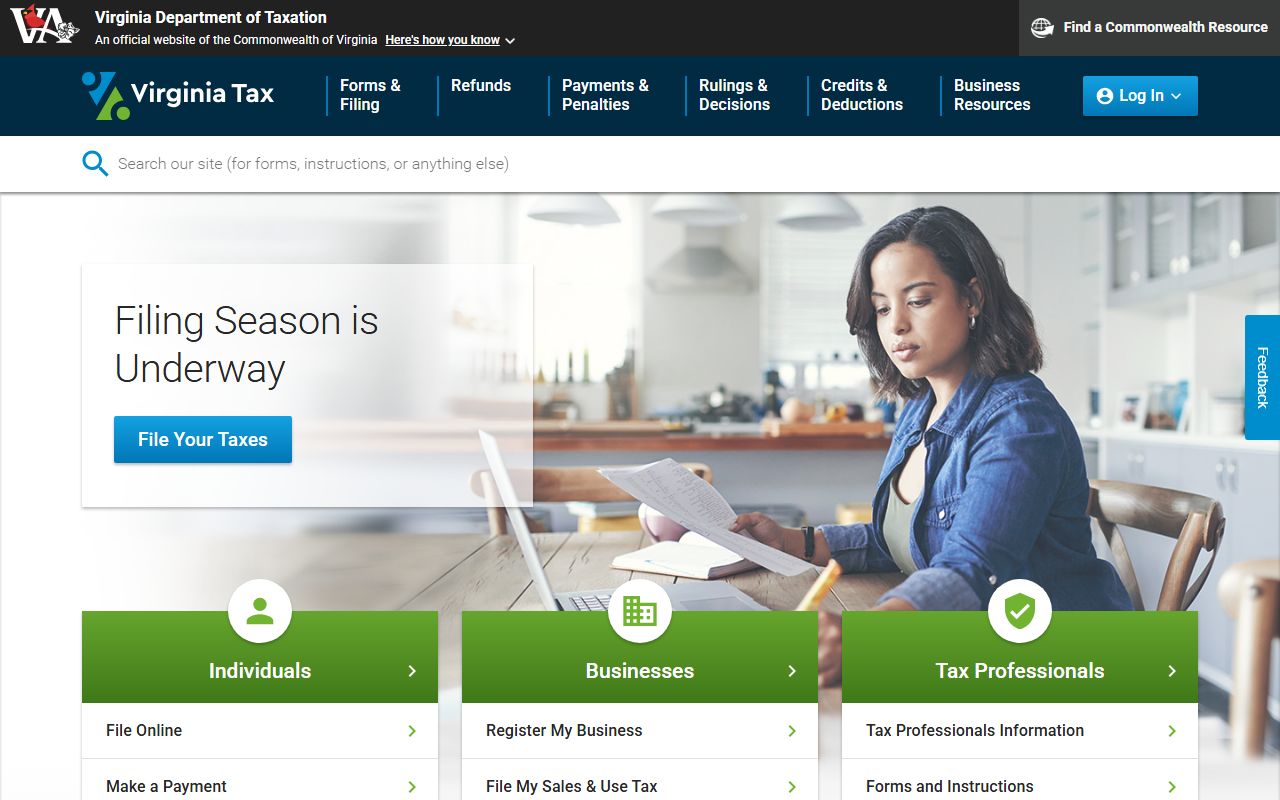
The Department of Taxation publishes guidance and statewide assessment data that helps keep local practices consistent across all Virginia jurisdictions.
Tax Relief Programs
The City of Fairfax offers tax relief programs for qualifying homeowners. The elderly and disabled relief program, authorized under Virginia Code Section 58.1-3210, allows the city to reduce or defer real estate taxes for owners who meet age, income, and net worth requirements. The city sets its own thresholds by ordinance. Given the high property values in Northern Virginia, these programs can provide meaningful savings to qualifying residents on fixed incomes.
To apply, contact the Commissioner of the Revenue before the annual deadline. You will need to provide proof of age or disability, a copy of your federal tax return or other income documentation, and possibly a summary of your assets. The commissioner reviews each application and determines eligibility. Approved exemptions are applied to the current year's tax bill.
The city may also have programs tied to veterans benefits or other qualifying circumstances. Ask the commissioner's office for a full list of current programs when you call or visit. Programs can change from year to year based on city ordinance changes or funding availability.
State-level housing assistance resources are also available through Virginia's Department of Housing and Community Development for homeowners who need broader support.

DHCD programs can provide additional help to City of Fairfax homeowners who qualify for state-level housing assistance.
Land Books and Records Access
The City of Fairfax land book is the official list of all taxable real property in the city. It includes owner names, parcel identifiers, assessed values, and acreage or square footage for each parcel. The land book is maintained by the Commissioner of the Revenue and is open to the public under Virginia's Freedom of Information Act. You can view it at the commissioner's office or request copies during business hours.
Under Section 58.1-3378, the commissioner must keep the land book current and available for public inspection. If you need data for multiple parcels or the entire city, staff can often provide it in a usable format, though there may be a fee for large data requests. Individual property lookups are usually free.
Historical land book records for the City of Fairfax may be available at the Library of Virginia in Richmond. Older records from before the city was established may be found in Fairfax County records or at local historical archives. The city and county have distinct histories, so matching old records to current parcels requires some care.
GIS mapping data for parcels in the City of Fairfax may be available through the city's planning or public works department. These digital maps can help you identify parcel boundaries, adjacent properties, and land use information. Contact City Hall to ask about available mapping resources.
Surrounding County
The City of Fairfax is surrounded by Fairfax County, which is a separate jurisdiction with its own assessment and tax offices. Property in Fairfax County just outside the city is handled by county offices, not city offices.
Nearby Cities
These nearby Northern Virginia independent cities each have their own property tax offices.