
Lancaster County Property Tax Records
Lancaster County property tax records are maintained by the Commissioner of the Revenue and the Treasurer, both located at the county seat in Lancaster on Virginia's Northern Neck. These records cover all taxable real estate and personal property in the county and are open to the public. Access assessment data, ownership records, and tax payment information through county offices or through the county's official website at lancova.com. Each parcel record includes the owner name, parcel identification number, assessed land and improvement values, and a full payment history. Property owners, buyers, and the general public can search Lancaster County property tax records at the Commissioner's office without any requirement to explain their reason for looking.
Lancaster County Overview
Commissioner of the Revenue
The Lancaster County Commissioner of the Revenue is the elected official responsible for assessing all real property and personal property in the county. Under Virginia Code § 58.1-3200, all real estate must be assessed at 100% of fair market value. The Commissioner maintains the assessment roll for every parcel in Lancaster County, tracking ownership, legal descriptions, land values, improvement values, and total assessed values.
Lancaster County is located at the tip of the Northern Neck peninsula, where the Rappahannock River meets the Chesapeake Bay. The county's real estate market includes waterfront properties along the bay, the Rappahannock River, and numerous creeks and inlets, as well as rural agricultural and forested tracts and residential properties in the interior. Waterfront parcels in Lancaster County can carry substantial premiums. The Commissioner's appraisers must apply different valuation methods for waterfront properties than for inland parcels to reflect what buyers are actually paying in those different market segments.
Ownership updates occur when deeds are filed at the Circuit Court clerk's office. The Commissioner's staff reviews each deed and updates the parcel record to reflect the new owner. If the sale was an arm's-length transaction, the sale price also informs the Commissioner's review of the assessed value. New construction and permitted improvements feed into assessment updates as well, keeping the tax roll current with what's actually on the ground.
Notice of significant assessment changes is required under Virginia Code § 58.1-3330. If you received a reassessment notice you disagree with, contact the Commissioner's office. Staff can explain how the new value was calculated and what your options are.
The Virginia Department of Taxation publishes statewide assessment standards and guidance at tax.virginia.gov. This is a helpful resource for understanding how the Commissioner's office operates before contacting them directly.
Lancaster County Treasurer
The Lancaster County Treasurer collects real estate and personal property taxes based on assessments certified by the Commissioner of the Revenue. The Treasurer handles billing, payment processing, and delinquent tax collections. Payment options typically include in-person payment at the Treasurer's office in Lancaster and payment by mail. Check the county website for current due dates and whether any online payment options are available.
The Treasurer's records show the current tax status of each parcel in the county. You can verify whether taxes on a property are paid, outstanding, or delinquent. This is especially important when buying property in Lancaster County. A title search will include a Treasurer's check to confirm no unpaid balances are attached. Delinquent real estate taxes are a lien on the property and must be cleared before a clean title can pass to a new owner.
If you believe your tax bill is wrong, start with the Commissioner's office. The Treasurer issues bills based on values certified by the Commissioner. Any bill correction requires authorization from the Commissioner first. Once a correction is made, the Treasurer adjusts the account and issues a refund if you have already paid too much.
Unpaid taxes can lead to collection enforcement under Virginia law. If you have delinquent real estate taxes in Lancaster County, contact the Treasurer's office as soon as possible. Early contact gives you more options for resolving the debt before formal enforcement steps begin. The Treasurer may be able to work out a payment arrangement in some circumstances.
How to Search Lancaster County Property Tax Records
Start your property records search at the official Lancaster County website, lancova.com. The county may offer an online property search tool through its assessment software vendor. If available, you can search by owner name, parcel number, or street address and view current assessment data, property characteristics, and ownership information at no cost.
Under Virginia Code § 58.1-3331, assessment records at the Commissioner's office are open to public inspection without any requirement to state a reason. You don't need to own property in Lancaster County or have any legal interest in a specific parcel to view its assessment record. Visit the Commissioner's office during business hours, ask to see the records you need, and staff will assist. Copies are available for a standard per-page fee.
For bulk data or records in specific formats, Virginia's Freedom of Information Act gives you a formal request process. Submit a written FOIA request to the county administrator's office. The county has five business days to respond in most cases, though it can request an extension for complex requests. This approach is most useful for title research, market analysis, or other work involving records on more than a handful of parcels.
Deed records, plats, and other land instruments for Lancaster County are at the Circuit Court clerk's office. Pairing deed records with the Commissioner's assessment files gives you a full picture of any parcel's ownership chain, legal description, and value history. The Circuit Court clerk's office is also in Lancaster and can be reached through the county website.
Assessment Process
All real property in Lancaster County must be assessed at 100% of fair market value under Virginia Code § 58.1-3200. The Commissioner uses mass appraisal methods to set values for all parcels across the county at the same time. Mass appraisal groups similar properties and uses sales data and property characteristics to assign values that reflect what comparable properties are selling for in the current market.
Lancaster County's property market is heavily influenced by water. Chesapeake Bay waterfront, Rappahannock River frontage, and creek-front lots on the Northern Neck peninsula command premiums that can be many times the value of similar-sized interior parcels. The Commissioner's appraisers must carefully segment the market by water access, type of waterfront, and other location factors when setting values. Agricultural and timber tracts in the county's interior use different valuation approaches based on productivity and comparable land sales.
Your appraisal card contains the specific data the Commissioner used to set your property's value. Under § 58.1-3332, you have the right to inspect your appraisal card. It will show lot size, building area, year built, construction type, number of rooms, and any improvements on record. Errors in the card are worth addressing directly with the Commissioner's office before pursuing a formal appeal. A factual correction can sometimes resolve the issue quickly.
If you can't reach agreement with the Commissioner's office, the Board of Equalization provides an independent review. Under § 58.1-3378, each county must maintain a Board of Equalization to hear assessment disputes. Procedures for board hearings are set out in § 58.1-3379. The board can reduce, increase, or leave unchanged the assessed value based on the evidence you present at the hearing.
The Virginia Department of Taxation sets uniform assessment standards that apply to Lancaster County and all other Virginia localities.
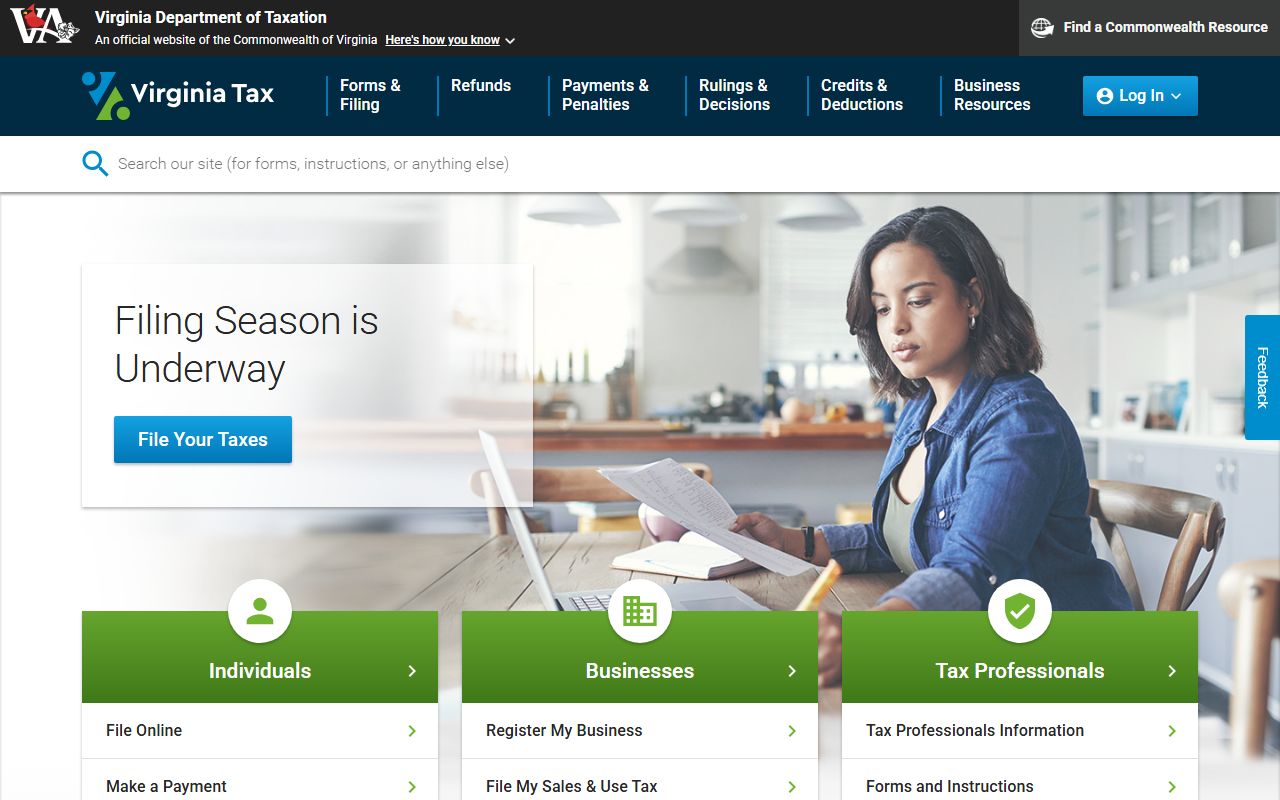
The Virginia Department of Taxation publishes guidance and oversight resources that govern how Lancaster County must assess real property.
Tax Relief Programs
Lancaster County offers real estate tax relief for qualifying elderly and disabled property owners under Virginia Code § 58.1-3210. To qualify, you must meet age or disability requirements, own and live in the property as your primary residence, and fall within income and net worth limits set by the county. The limits can change year to year. Contact the Commissioner of the Revenue's office for the current year's eligibility thresholds and to get the application forms.
Veterans who are totally and permanently disabled due to a service-connected condition may qualify for a complete exemption from real estate taxes on their primary home under § 58.1-3219.5. Surviving spouses of service members killed in action may also be eligible for this exemption. A certification letter from the U.S. Department of Veterans Affairs is required to apply. The Commissioner's office processes these applications and can walk you through what you need to submit.
The Virginia Department of Housing and Community Development at dhcd.virginia.gov provides statewide assistance programs that may supplement local county tax relief. If property taxes are a financial hardship, check both Lancaster County's local programs through the Commissioner's office and any state-level resources available through DHCD.
The image below shows the Virginia Department of Housing and Community Development website, which coordinates housing assistance and certain tax relief programs for Virginia residents.

DHCD programs may supplement Lancaster County's own tax relief options for property owners who meet the eligibility requirements.
Land Books and Records Access
Under Virginia Code § 58.1-3301, the Commissioner of the Revenue must keep a land book that lists every taxable parcel in the county, along with the owner's name, assessed value, and taxes owed. Lancaster County land books are public records. You can inspect them at the Commissioner's office during regular business hours. These books have been maintained in Virginia counties for well over a century and are a core part of the state's property tax system.
For researchers and title examiners, land books are a reliable way to trace property ownership and assessed values in Lancaster County over time. Each book covers a single tax year. Older land books may be held at the county courthouse or archived at the Library of Virginia in Richmond, which maintains historical records for all Virginia counties.
Assessment records are open to public inspection under § 58.1-3331 without any requirement to show cause. No connection to the property is needed. Anyone can walk into the Commissioner's office during business hours and ask for records on any parcel. Copies are available for a per-page fee, and staff can help locate specific records by parcel number, owner name, or address.
The Lancaster County Circuit Court clerk's office holds deed books, plats, and other recorded land instruments. Cross-referencing deed records with assessment data from the Commissioner's office gives you a full view of any parcel's ownership history, legal description, and value over time. The Circuit Court clerk is also located in Lancaster and can be reached through the county website at lancova.com.
Cities in Lancaster County
Lancaster County does not contain any independent cities. The county has no incorporated cities under Virginia law.
Nearby Counties
Lancaster County is located at the lower end of Virginia's Northern Neck peninsula. Neighboring counties with property tax record pages are listed below.