
Search Lexington Property Tax Records
Property tax records for the City of Lexington are public documents kept by the Commissioner of the Revenue and the Treasurer's Office. Owners, buyers, and researchers can access assessment values, tax bills, and ownership records through city offices or online. These records include owner names, parcel numbers, assessed values, and tax payment history for all real property within city limits. As an independent city, Lexington handles all property assessment and tax collection through its own elected offices, separate from surrounding Rockbridge County. Assessment data shows land and improvement values for each parcel, and all records are open to the public under Virginia law.
Lexington Overview
Commissioner of the Revenue
The Commissioner of the Revenue is Lexington's elected official who assesses all real estate and personal property within city limits. The office sets assessed values each year, which determine the tax bills sent out by the Treasurer. You can reach the Commissioner's office through the city website at lexingtonva.gov.
Under Virginia Code § 58.1-3301, the Commissioner must assess all property subject to local taxation. This covers land, structures, and improvements. The office looks at recent sales, condition data, and property characteristics when setting values. Lexington is a small city, and the office can often answer questions directly and quickly.
If you own property in Lexington and want to understand how your value was set, contact the Commissioner's office first. Staff can walk you through the comparable sales used and explain the methodology. This informal step often resolves concerns before a formal appeal is needed.
The Commissioner also administers local exemptions and reviews applications for tax relief programs. Property owners who may qualify for elderly, disabled, or veteran exemptions should contact this office to get the process started. The Commissioner can confirm what documents are required and what the current income and asset limits are.
Lexington Treasurer
The Treasurer's Office collects property taxes and other city revenues. Once the Commissioner finalizes assessments, the Treasurer prepares and mails bills. Information on due dates and payment options is available at lexingtonva.gov/departments/treasurer.
Real estate taxes in Lexington are due in two installments. The Treasurer keeps records of all payments and any outstanding balances. If you need a tax clearance letter or a receipt showing taxes have been paid, request it from the Treasurer's office. These documents are often needed when selling or refinancing property.
Owners who fall behind on taxes should contact the Treasurer early. The office can explain payment plan options and help avoid more serious collection actions. Virginia law allows localities to pursue tax sales on properties with long-standing delinquent balances, so early contact matters.
How to Search Lexington Property Tax Records
Lexington property tax records are available through the city's website at lexingtonva.gov. The city's online portal lets you search by address or parcel number to find assessment data, ownership information, and tax status. This is the fastest way to get current records.
In-person searches can be done at the Commissioner's office at city hall. Bring the property address or parcel ID. Staff can pull up records and answer questions about specific parcels. The Treasurer's office can show payment history and any outstanding balances on a given property.
For older or historical records, the Circuit Court Clerk's office in Lexington holds deed books and other land records. The Library of Virginia in Richmond also has older land books and tax records going back well before the 20th century. These are useful if you need to trace ownership over a long period.
Assessment Process
Virginia requires all real property to be assessed at 100% of fair market value under § 58.1-3330. Lexington follows this standard. The city conducts reassessments on a regular schedule to keep values current with the market.
During a reassessment, the Commissioner's office reviews recent sales of comparable properties, studies market trends, and may inspect properties to check their condition and size. Properties that have sold recently will typically be assessed near the sale price if the sale was between unrelated parties at market terms.
Under Chapter 32 of Title 58.1, property assessments must follow uniform standards across the state. Lexington uses the same legal framework as every other Virginia locality. All parcels in the city are subject to the same rules.
After a reassessment, owners get a notice showing the new value. You can request an informal review with the Commissioner if you think the value is off. Under § 58.1-3379, a formal appeal can be filed with the Board of Equalization. The board meets to hear appeals and can adjust values it finds to be incorrect.
The Virginia Department of Taxation provides resources for property owners and oversight of local assessment practices statewide.
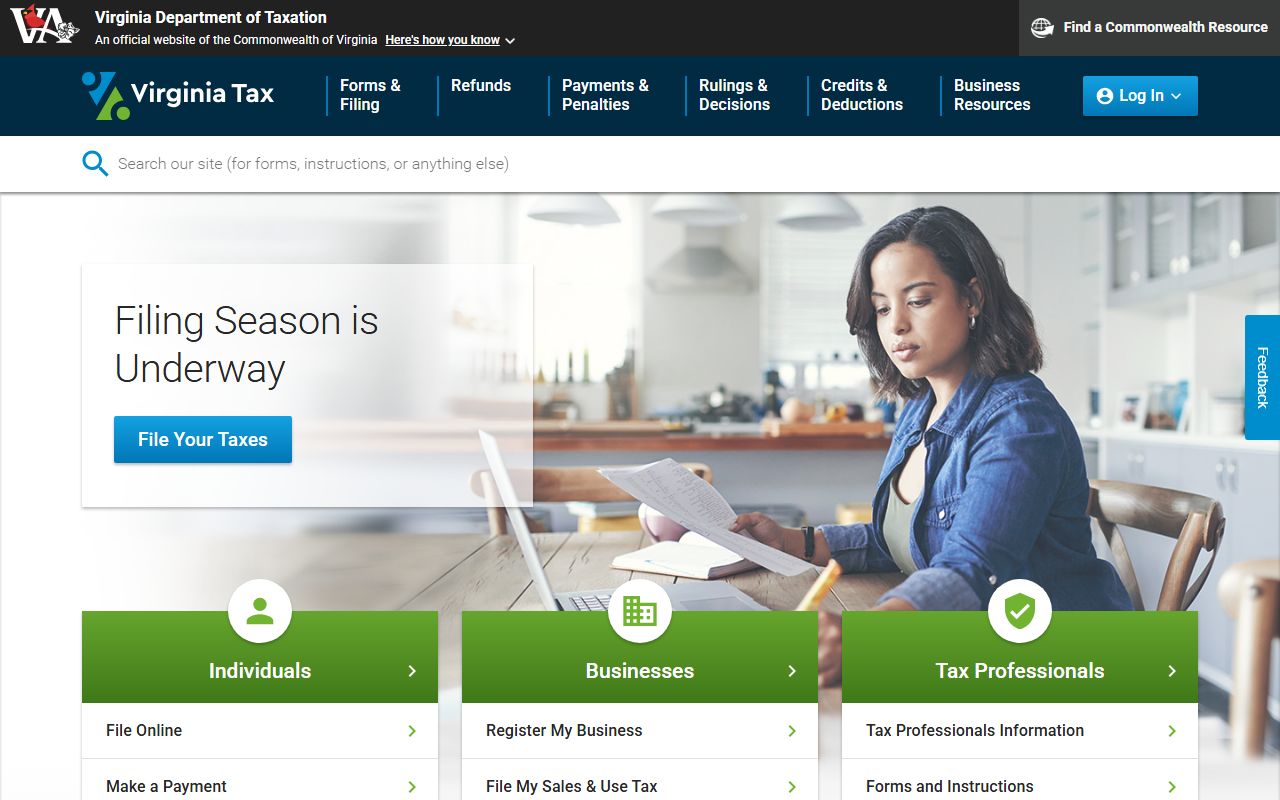
Visit the Department of Taxation for information on assessment rules and taxpayer rights in Virginia.
Tax Relief Programs
Lexington offers property tax relief for elderly and disabled homeowners who meet income and net worth requirements. The program is authorized under Virginia law and administered locally by the Commissioner of the Revenue. Each year, qualifying homeowners can receive a reduction or deferral of their real estate tax bill.
To apply, contact the Commissioner's office. You will need to show income information for all household members, documentation of any disability, and proof that the property is your primary residence. Applications are usually due in early spring before the tax year begins. The office can tell you the exact deadline and what to bring.
Veterans rated 100% permanently and totally disabled by the VA are exempt from real estate taxes on their primary home under state law. The Commissioner's office can walk you through the application and explain what VA documentation is needed to support the claim.
Virginia DHCD supports housing assistance programs that may help qualifying residents with housing costs.

Check the DHCD website for state-level housing and financial assistance programs available to Virginia residents.
Land Books and Records Access
Land books are the official annual listing of taxable property in Virginia cities and counties. Lexington's land books record each parcel, the owner of record, assessed value, and tax owed. Under § 58.1-3331, these records are open to the public. You can view them at the Commissioner's office.
Current records are also available through the city's online property search tool. You can look up any parcel in the city to see the current assessed value, owner name, and tax history. The data is updated annually after assessments are set. No fee is charged for online searches.
Historical land books for Lexington and surrounding Rockbridge County are held at the Library of Virginia. These records trace property ownership back through the 1800s and earlier. Researchers doing genealogical work or title searches on old parcels can find useful data in these collections.
If you need a certified copy of an assessment record or a written statement of tax liability, the Commissioner's or Treasurer's office can provide that. There may be a small charge for printed or certified documents. Ask the office about current fees when you call or visit.
Surrounding County
Lexington is an independent city in the Shenandoah Valley, surrounded by Rockbridge County, which maintains its own property tax assessment and collection offices.
Nearby Cities
Other independent cities near Lexington also keep separate property tax records.